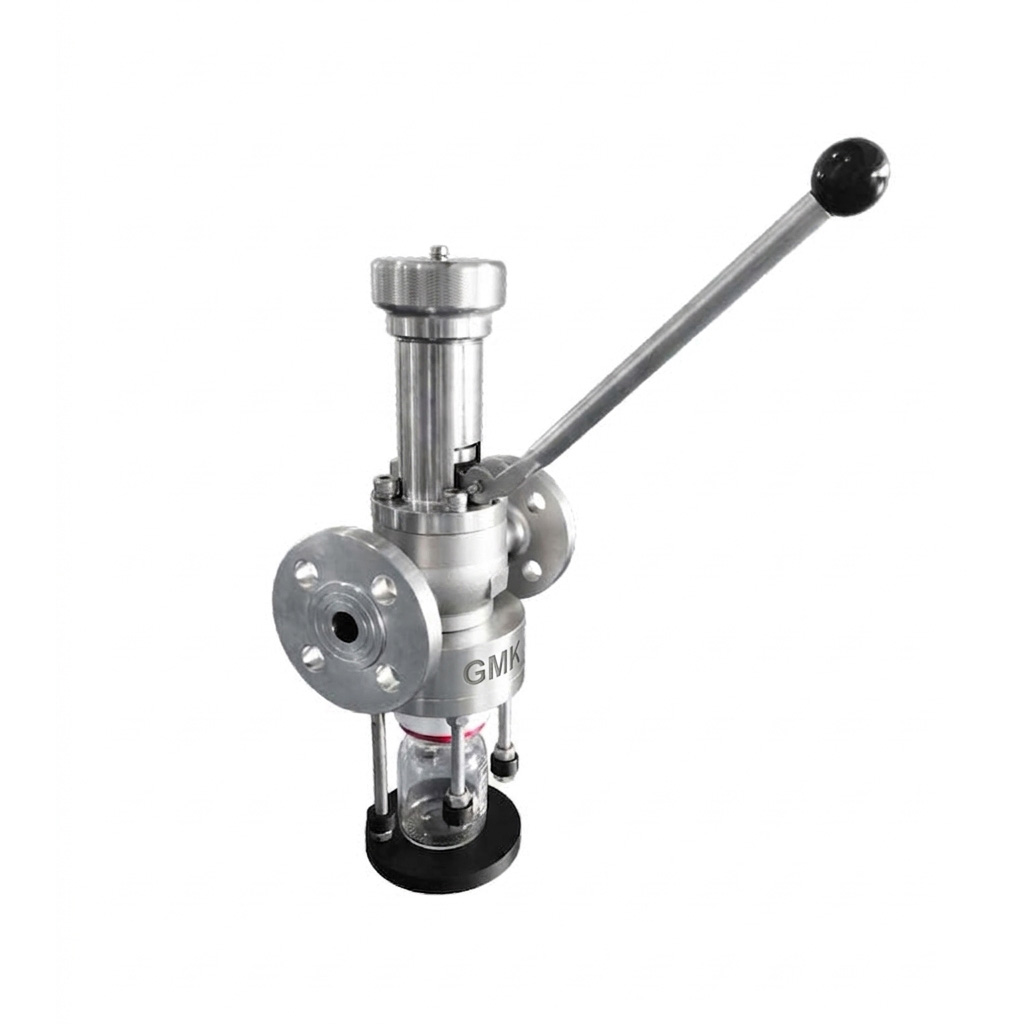

Gas Sampling Valve

Product Description

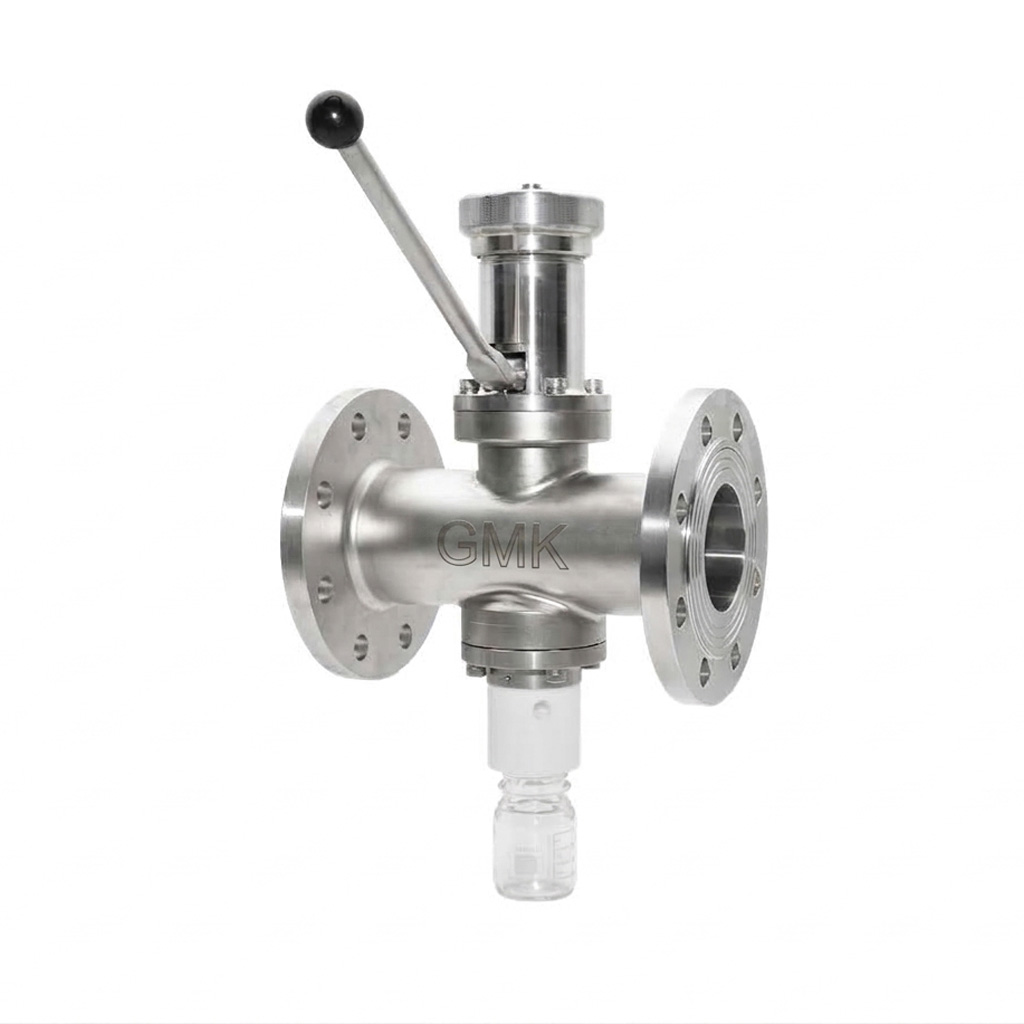
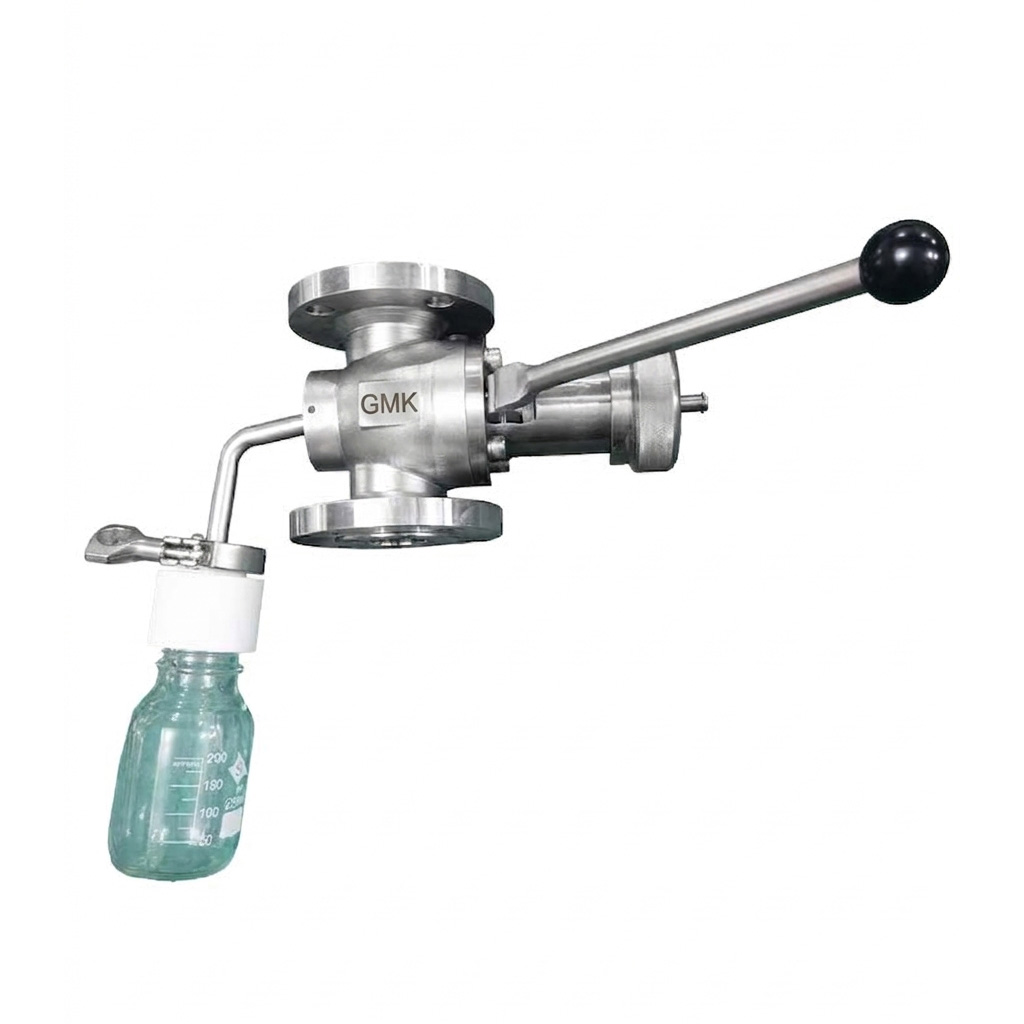
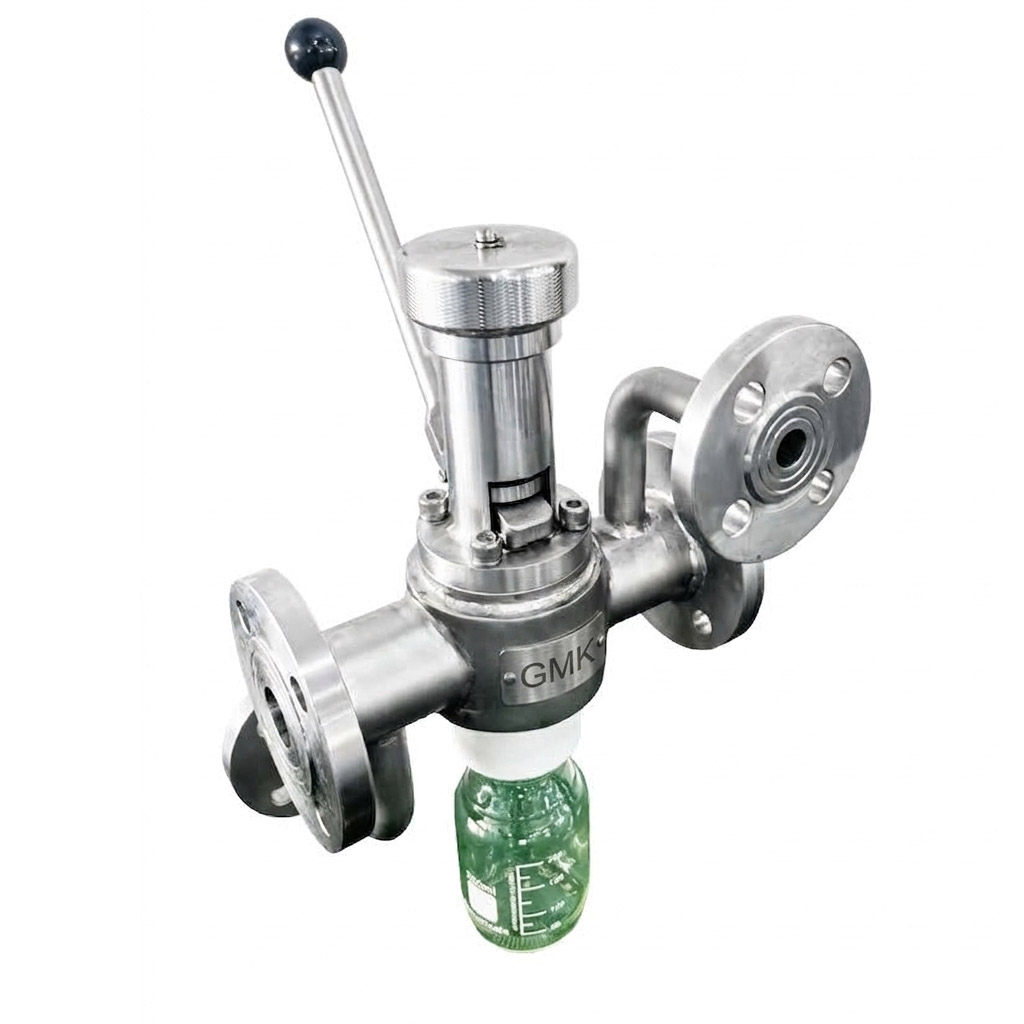
The Gas Sampling Valve from GMK VALVE is specifically designed for safe, accurate, and representative gas sampling from pipelines, reactors, pressure vessels, and process systems. Engineered for industrial gas analysis and process monitoring applications, the valve enables online sampling without interrupting production operations.

Featuring a precision needle-type structure and integrated purge function, the valve minimizes sample contamination while ensuring reliable collection of gas samples for laboratory testing, quality control, and process optimization.

Manufactured from high-quality stainless steel and corrosion-resistant materials, the valve is suitable for chemical processing, petrochemical plants, natural gas systems, pharmaceutical production, environmental monitoring, and other demanding

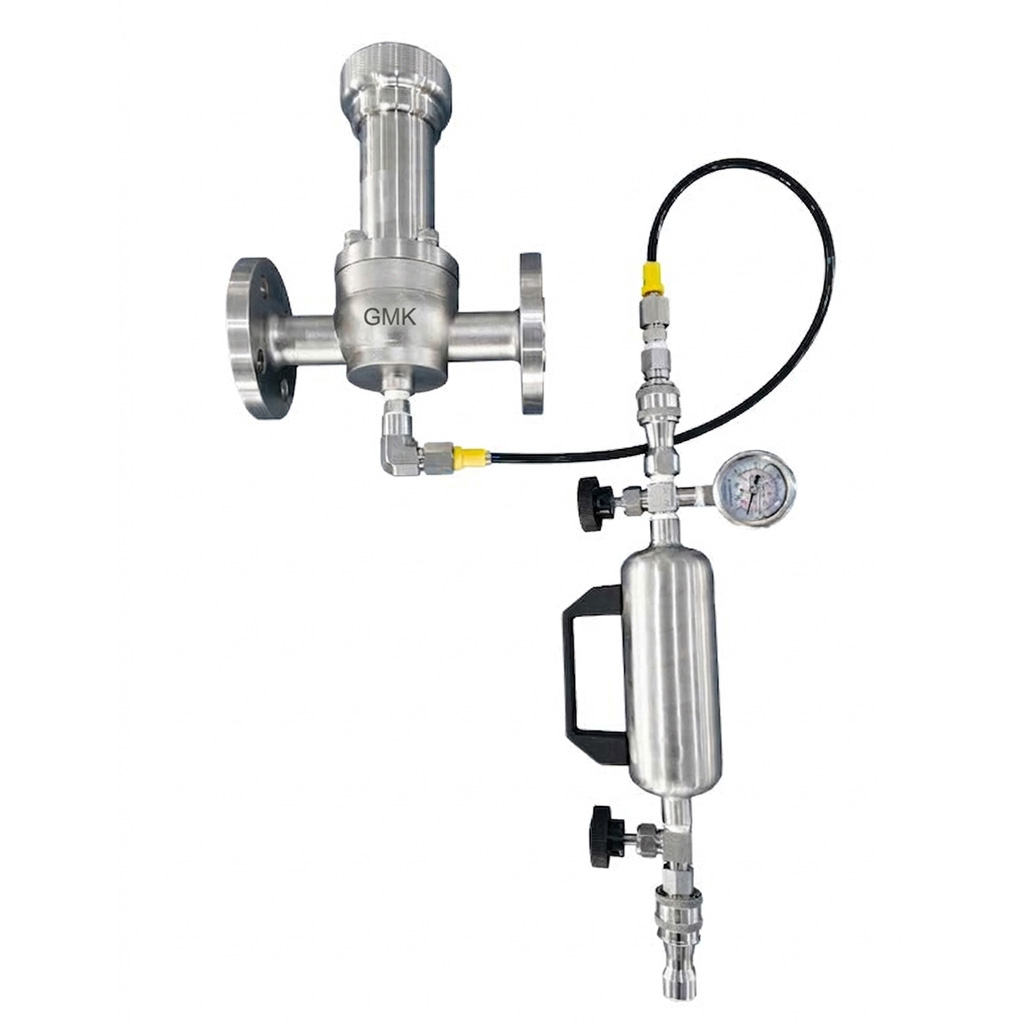
Gas Sampling Valve with Stainless Steel Sample Cylinder for Industrial Gas Sampling Systems
left
right
Gas Sampling Valve with Stainless Steel Sample Cylinder for Industrial Gas Sampling Systems

CE Certification

ISO Standards

Warranty Included

Key Features

Accurate Gas Sampling

Designed to provide representative gas samples for process analysis and quality control.

Online Sampling Capability

Allows gas sampling directly from operating pipelines and vessels without system shutdown.

Integrated Purge Function

Removes residual gas and contaminants from the sampling chamber before and after sampling.

Precision Needle Valve Design

Provides smooth flow control and accurate sampling operation.

Leak-Free Sealing Performance

High-performance sealing system reduces leakage risks and improves operational safety.

Corrosion-Resistant Construction

Available in stainless steel 304, stainless steel 316, and customized materials for aggressive gas media.

Wide Size Range

Available from DN15 to DN200 to accommodate various process systems.

High Reliability

Designed for continuous operation in demanding industrial environments.

Typical Applications

Chemical Industry

Sampling of industrial gases, process gases, and chemical vapors.

Petrochemical Industry

Suitable for hydrocarbon gases, refinery gases, and process monitoring systems.

Natural Gas Industry

Used for natural gas sampling, transmission systems, and quality analysis.

Pharmaceutical Industry

Supports controlled gas sampling for production and laboratory applications.

Environmental Monitoring

Suitable for emission monitoring and gas analysis systems.

Research and Laboratory Applications

Provides reliable gas sampling for testing and analytical processes.

Maintenance Guidelines

  • Regularly inspect seals and valve components.
  • Verify smooth operation before sampling.
  • Keep sampling passages clean and free from blockages.
  • Replace worn sealing elements when necessary.
  • Conduct routine leak testing.

Safety Recommendations

  • Ensure process pressure is within safe operating limits.
  • Follow plant safety procedures when handling hazardous gases.
  • Wear appropriate personal protective equipment.
  • Perform periodic inspection and maintenance to ensure safe operation.

Typical Applications

Chemical Industry

Sampling of industrial gases, process gases, and chemical vapors.

Petrochemical Industry

Suitable for hydrocarbon gases, refinery gases, and process monitoring systems.

Natural Gas Industry

Used for natural gas sampling, transmission systems, and quality analysis.

Pharmaceutical Industry

Supports controlled gas sampling for production and laboratory applications.

Environmental Monitoring

Suitable for emission monitoring and gas analysis systems.

Research and Laboratory Applications

Provides reliable gas sampling for testing and analytical processes.

Maintenance Guidelines

  • Regularly inspect seals and valve components.
  • Verify smooth operation before sampling.
  • Keep sampling passages clean and free from blockages.
  • Replace worn sealing elements when necessary.
  • Conduct routine leak testing.

Safety Recommendations

  • Ensure process pressure is within safe operating limits.
  • Follow plant safety procedures when handling hazardous gases.
  • Wear appropriate personal protective equipment.
  • Perform periodic inspection and maintenance to ensure safe operation.