
End Of Line Flame Arrester

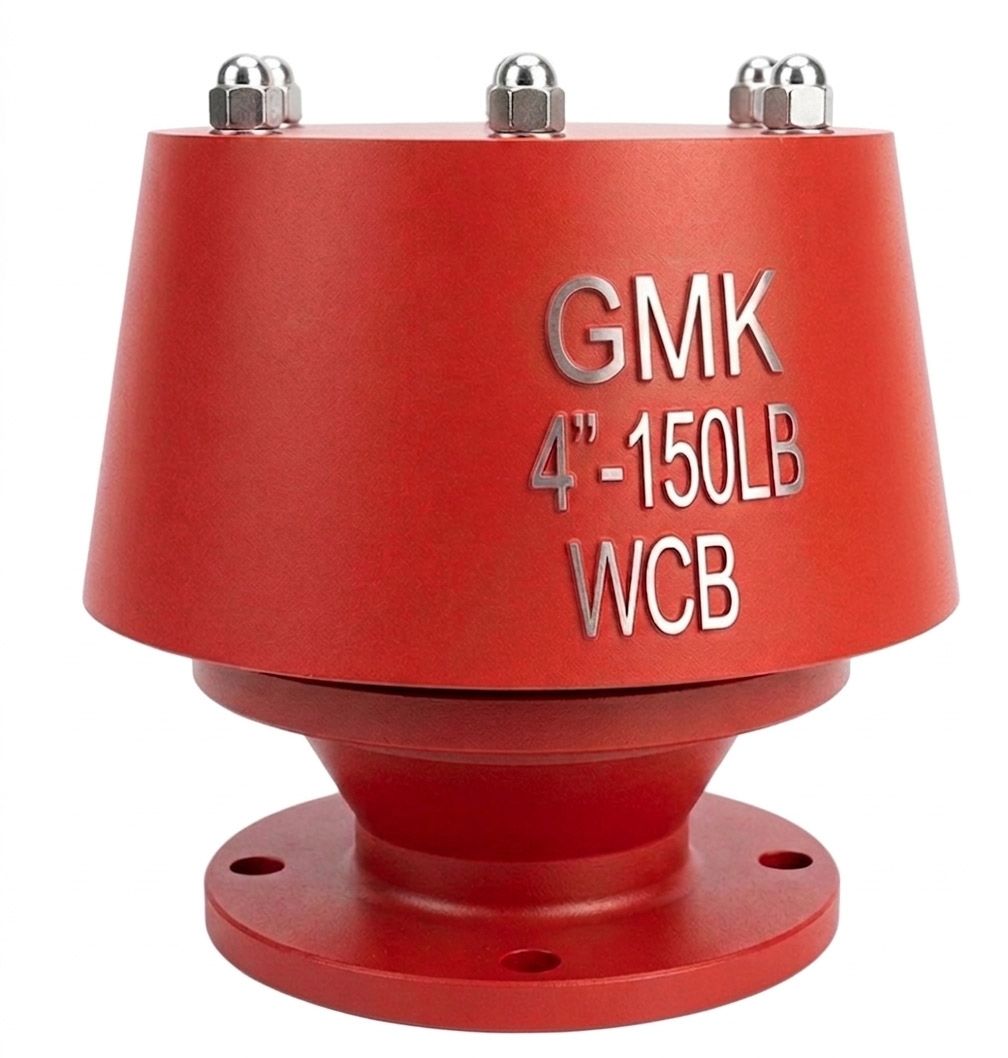
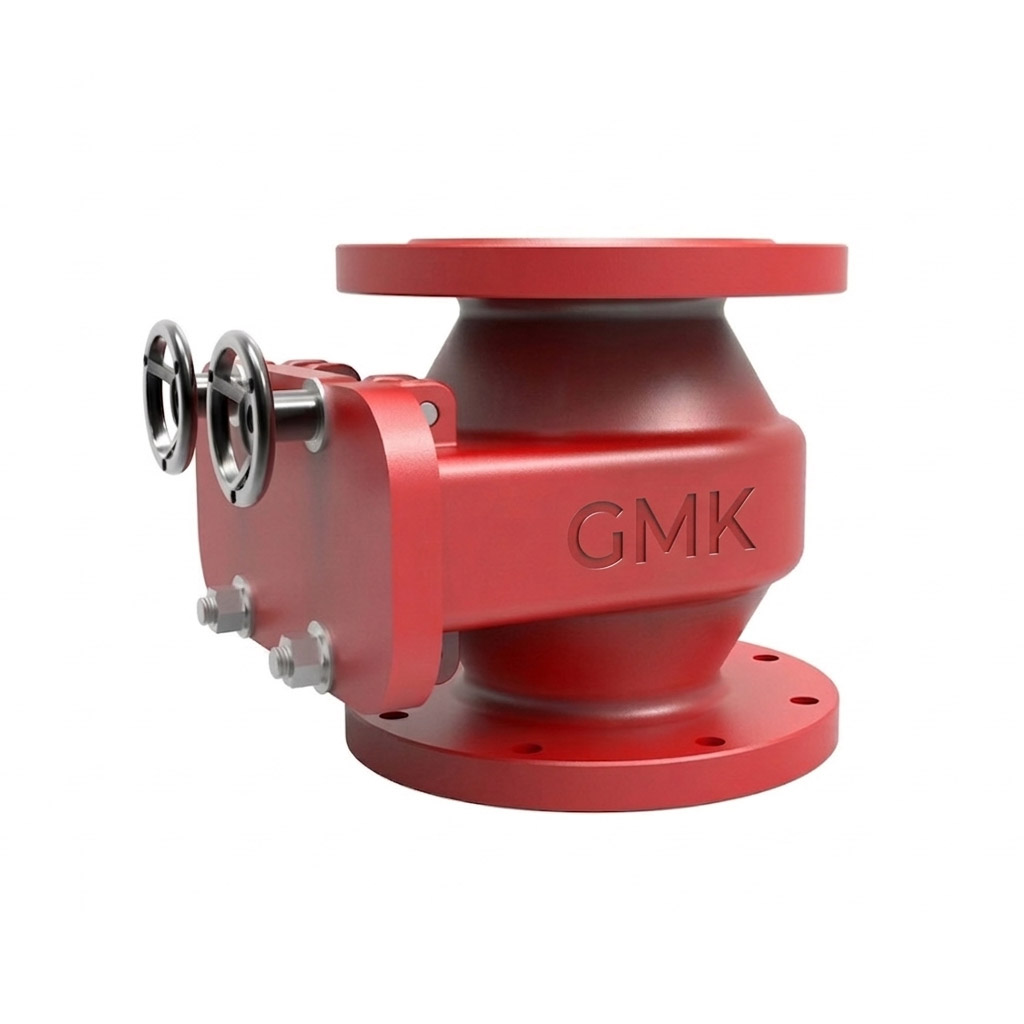
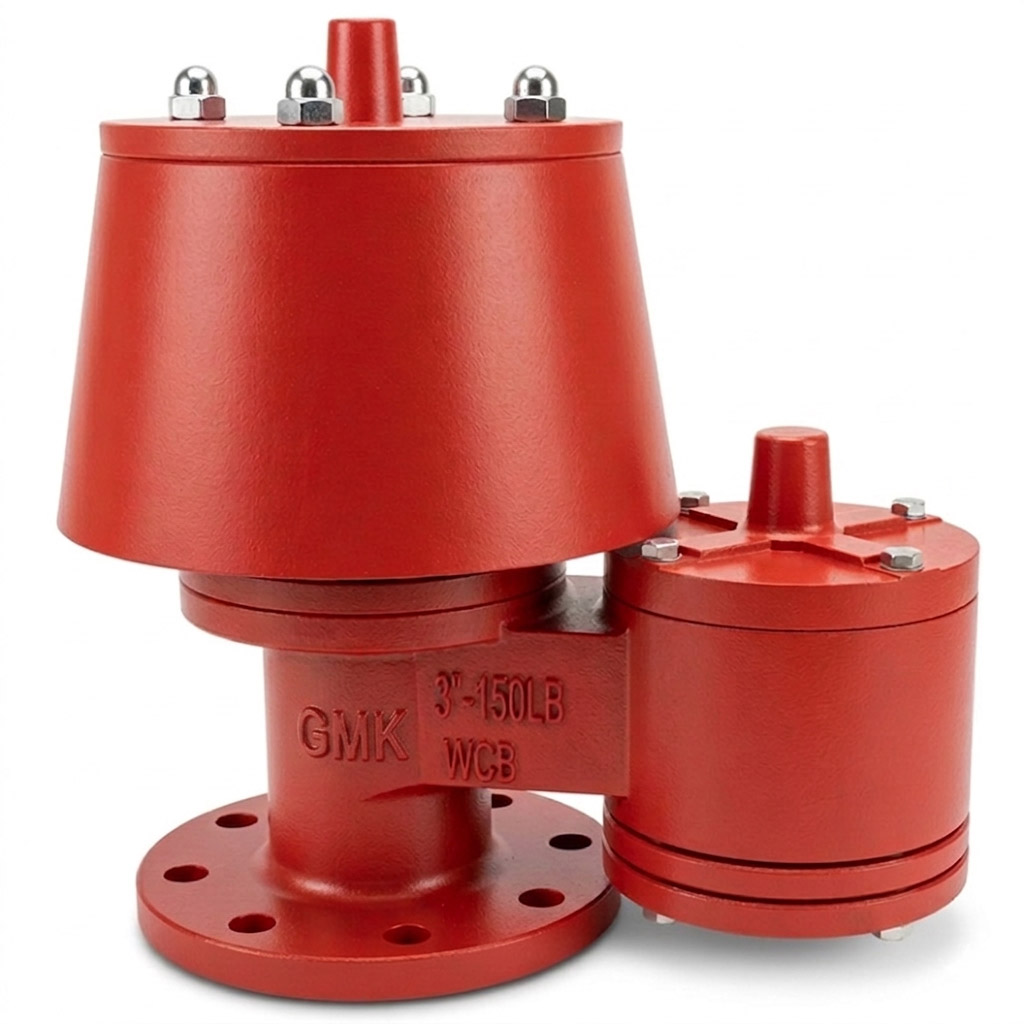
GMK VALVE serves as a trusted inline flame arrester manufacturer for hazardous processing facilities around the globe. Our safety systems prevent dangerous pipeline deflagrations by extinguishing flames before they reach critical storage tanks. Furthermore, technical teams engineer these protective units with robust outer shells and specialized flame arrestor elements. Depending on process conditions, clients choose between multi-layer stainless steel mesh elements and high-performance corrugated foil elements.

As an experienced inline flame arrester manufacturer, we design our element cores to minimize system pressure drops. For instance, corrugated elements utilize stainless steel or copper-nickel alloys to absorb intense thermal and mechanical energy. In addition, the modular element construction allows field technicians to clean or service components effortlessly. Consequently, processing plants maintain maximum operational safety with minimal maintenance downtime.

GMK VALVE inline flame arrester manufacturer for petrochemical pipeline
left
right
GMK VALVE inline flame arrester manufacturer for petrochemical pipeline

CE Certification

ISO Standards

Warranty Included

Primary Engineering Features from an Inline Flame Arrester Manufacturer

Our protective pipeline series integrates versatile material choices to handle aggressive petrochemical media safely. For example, shell construction materials include cast iron, aluminum, carbon steel, and premium 304 or 316L stainless steel alloys. Furthermore, these safety units operate reliably across extreme ambient temperatures ranging from -40 °C to +60 °C.

High-density corrugated elements stop fierce deflagration flames while preserving steady fluid momentum.

Standard flange dimensions conform strictly to HG20592 PN1.0 and international piping specifications.

Precision manufacturing ensures full compatibility with gasoline, diesel, kerosene, aromatics, and air mixtures.

Integrated lifting handles facilitate rapid element removal during routine field inspection cycles.

Step-by-Step Field Installation Guidelines

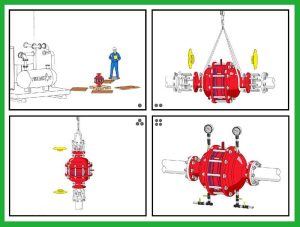
Proper mechanical assembly ensures that every unit performs reliably under severe operational stresses. First, technicians must remove all protective flange covers and thoroughly clean all sealing face surfaces. In addition, installers inspect matching gaskets to verify chemical compatibility with line fluids before tightening flange bolts.

Furthermore, maintenance personnel lubricate all studs with appropriate anti-seize compounds before final flange assembly. Installers align the safety shell with matching pipeline flanges while checking lifting handle positions carefully. Therefore, maintenance teams can easily extract internal elements during future cleaning procedures without disturbing primary piping connections.