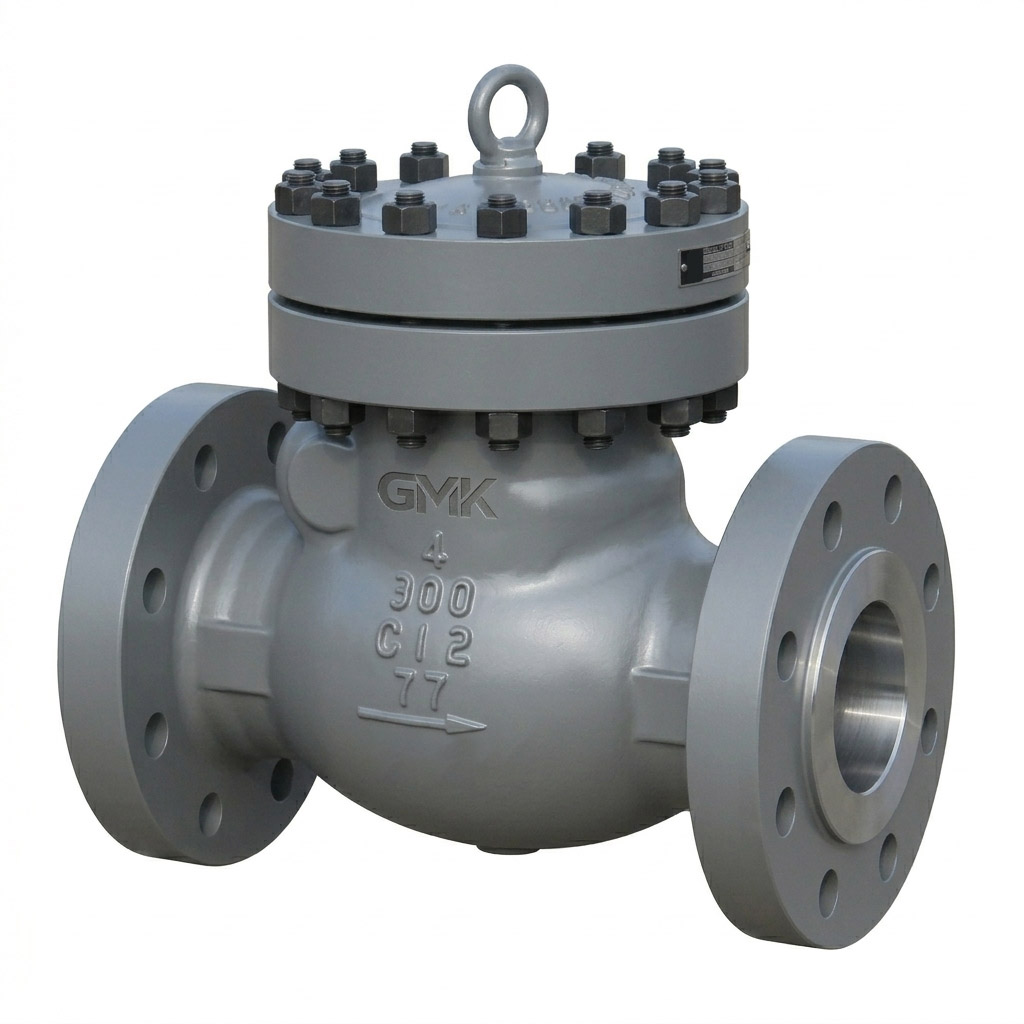
How a Pressure Seal Gate Valve Works
The working principle of a pressure seal gate valve is based on utilizing system pressure to improve bonnet sealing performance.
In a conventional valve design, the bonnet is connected to the body using bolts and external pressure sealing methods.
A pressure seal gate valve uses the internal pressure of the valve system to push the sealing gasket against the valve body and bonnet surfaces.
As operating pressure increases:
The sealing force increases
Leakage risk is reduced
Valve reliability improves under high-pressure conditions
This design makes pressure seal gate valves especially suitable for high-pressure and high-temperature applications.
Benefits of Pressure Seal Gate Valves
Pressure Seal Bonnet Sealing Performance
One of the main advantages of a pressure seal gate valve is its excellent sealing capability under extreme operating conditions.
The pressure-assisted sealing structure provides:
Reliable bonnet sealing
Reduced leakage possibility
Improved pressure resistance
Long service life
The sealing force increases with system pressure, allowing the valve to maintain stable performance in demanding environments.
Flexible Wedge Design for Pressure Seal Gate Valves
The flexible wedge design improves contact between the wedge and valve seats while allowing compensation for thermal expansion.
Advantages include:
Better sealing performance
Reduced seat stress
Improved resistance to temperature changes
Reliable operation during thermal cycling
Optional solid wedge or split wedge configurations are available according to application requirements.
Low Flow Resistance of Pressure Seal Gate Valves
The streamlined internal design provides a smooth flow passage.
Benefits include:
Low pressure loss
Reduced flow resistance
Improved system efficiency
Suitable for bidirectional flow applications
When fully opened, the gate moves completely away from the flow path, minimizing damage to the sealing surfaces caused by the process medium.
Low Torque Design of High Pressure Gate Valves
The optimized wedge and stem design reduces the force required for valve operation.
Advantages include:
Lower operating torque
Easier manual operation
Reduced actuator requirements
Lower maintenance costs





 Get A Quote


 Inquire with us directly