Size
2″-60″
Pressure
150LB
Material
Cast iron, ductile iron, WCB, LCB, LCC, WC5, WC6, WC9, CF8, CF8M, CF3, CF3M, ect
Connection
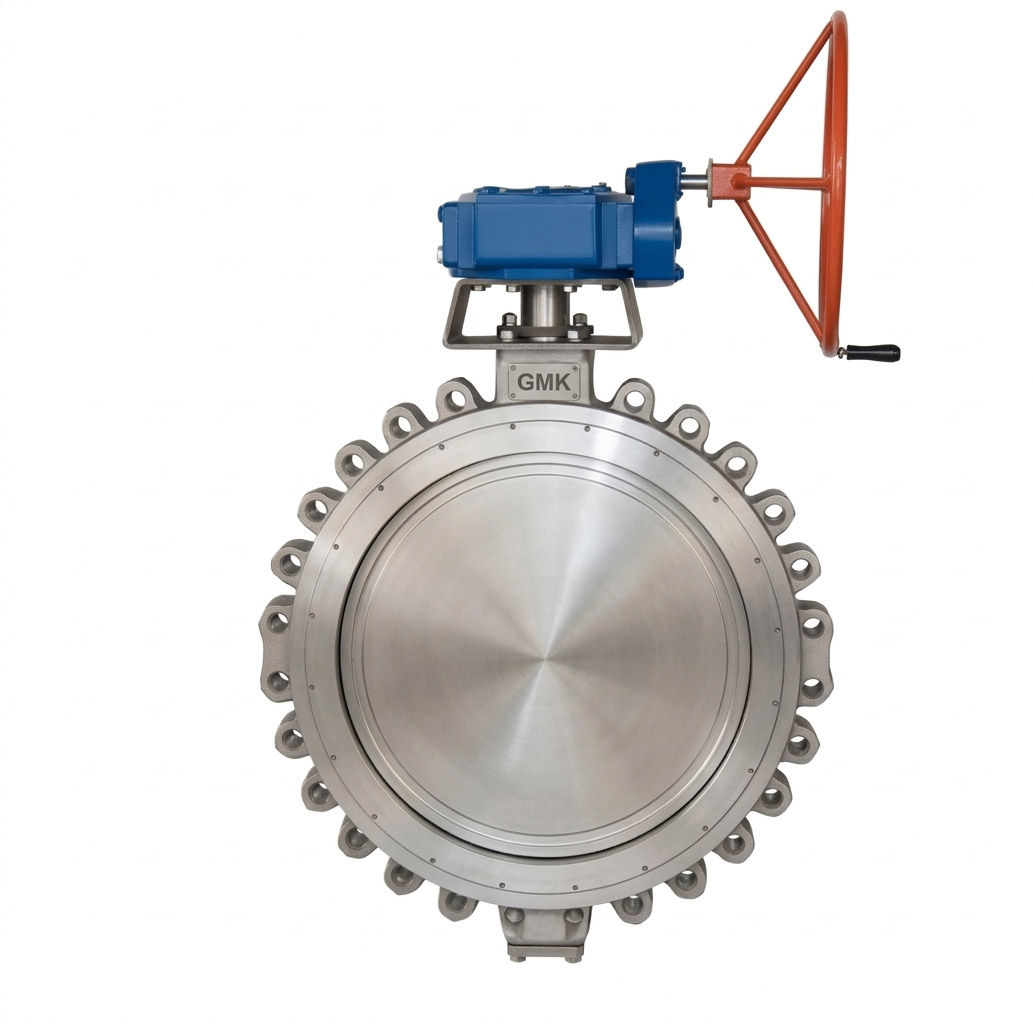
Wafer type, lug type, flange
Operate
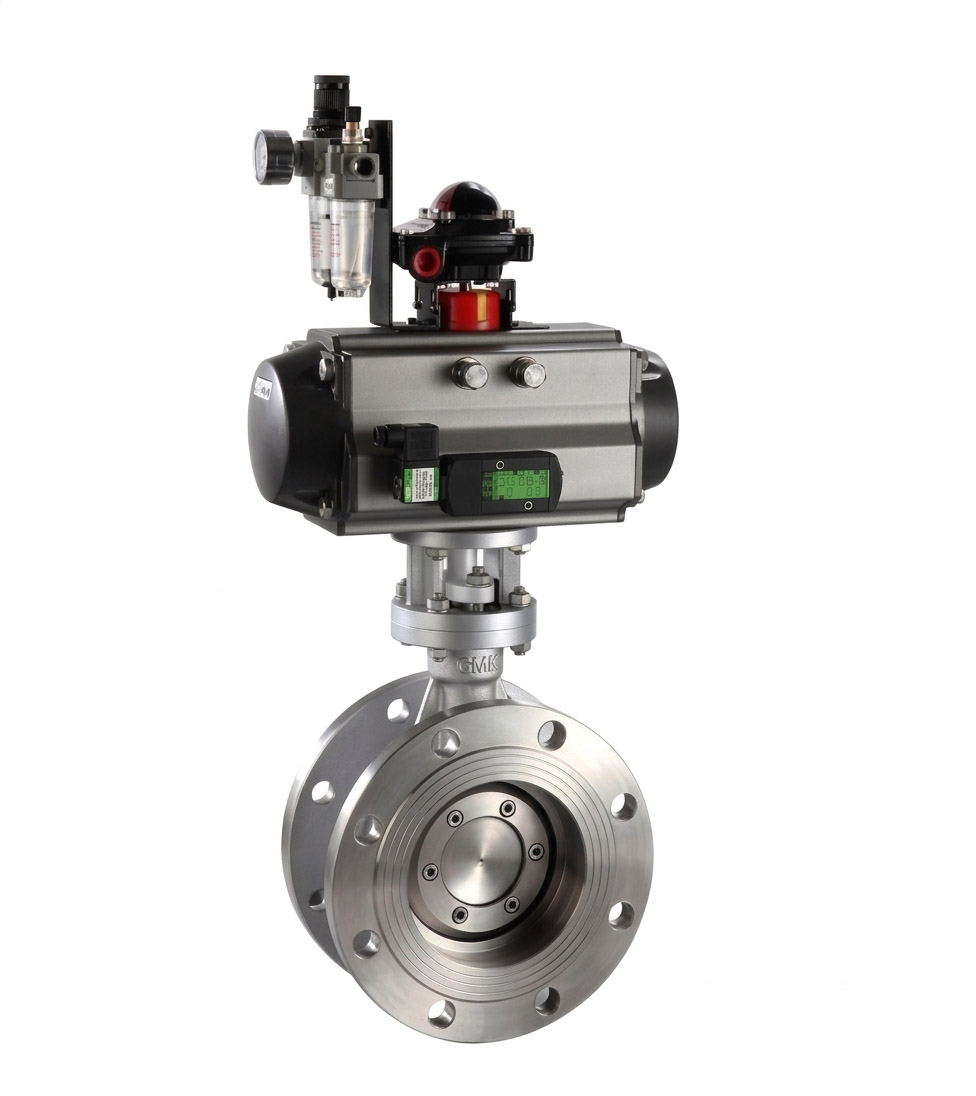
Handwheel, gearbox, penumatic actuator
Supply ability
10000 piece/pieces per month
Port
Wenzhou/shanghai
Payment terms
L/C, D/A, D/P, T/T
Delivery time
7-10 Working day
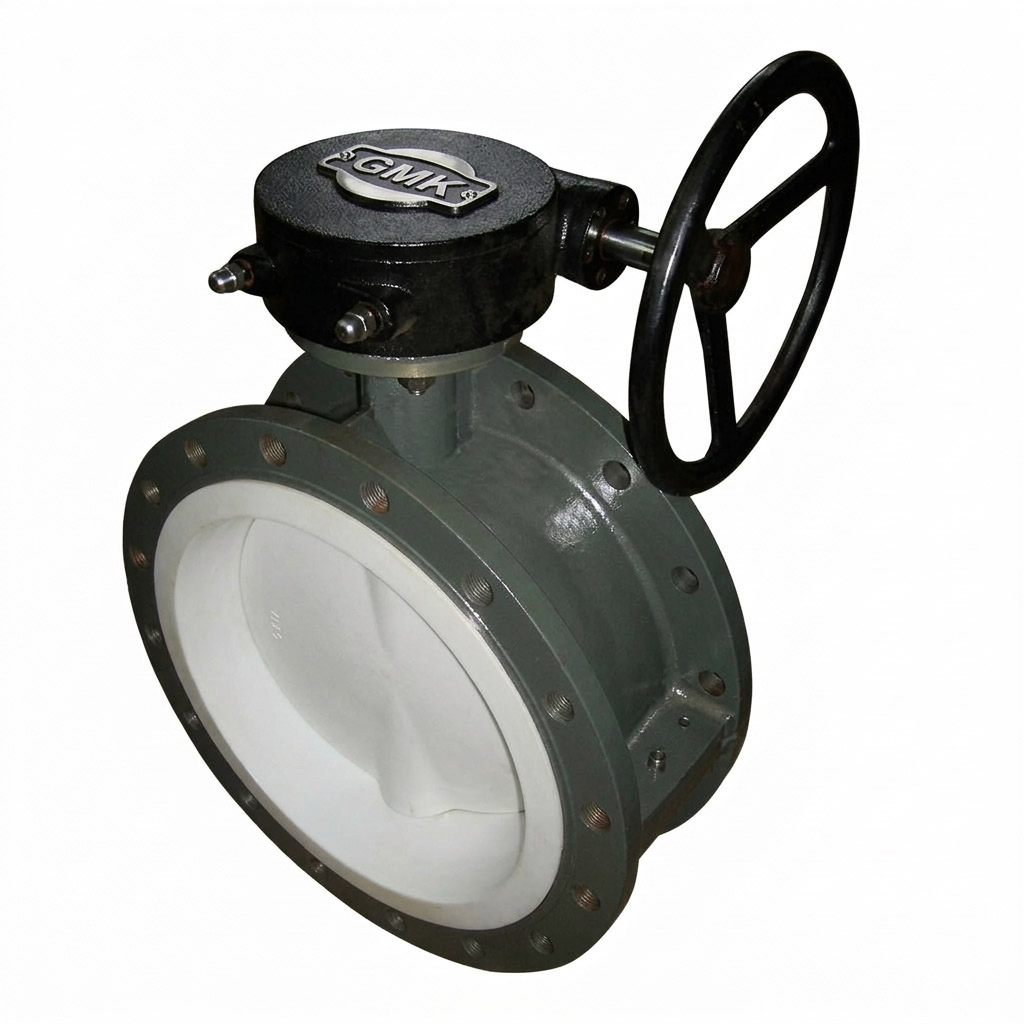
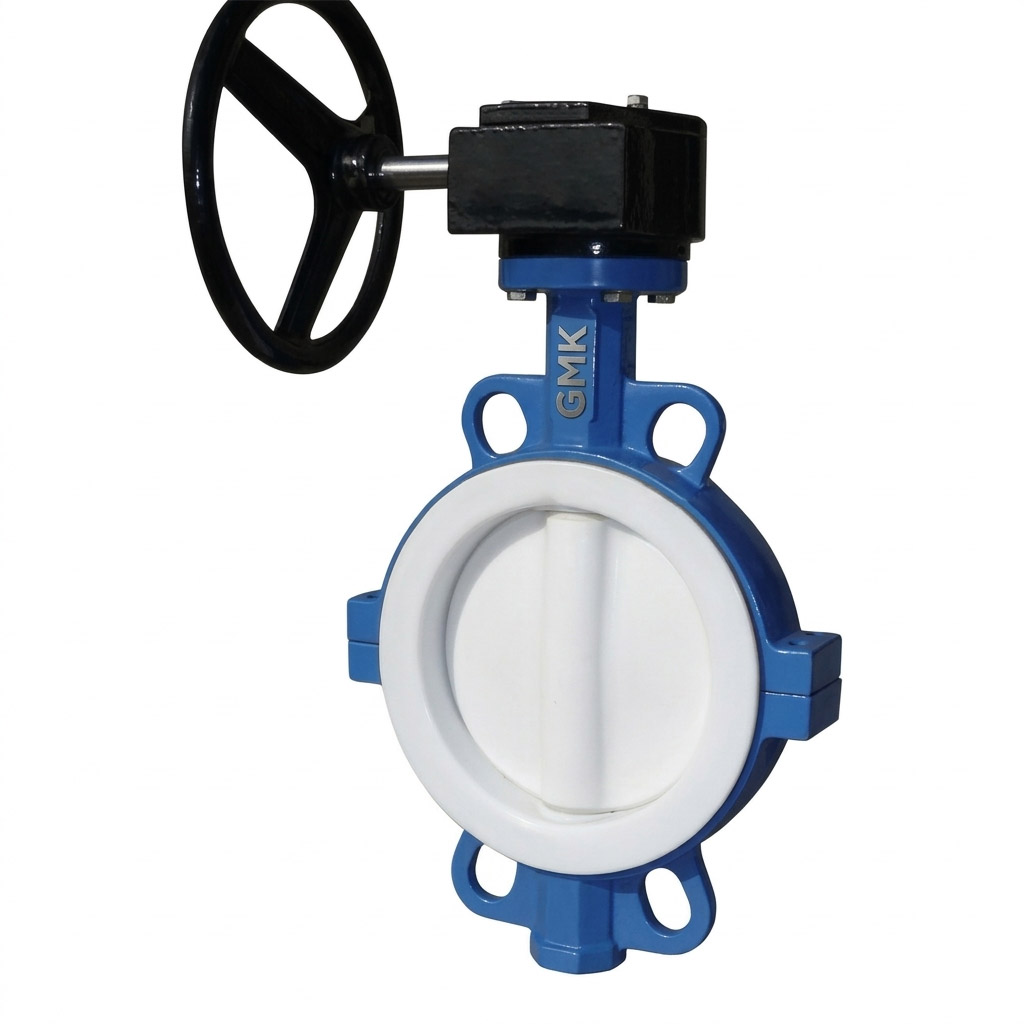
Features of PTFE Lined Butterfly Valve
GMK designs the PTFE Lined Butterfly Valve with advanced sealing structures and corrosion-resistant materials. Therefore, the valve can maintain reliable performance under demanding industrial conditions.
The valve adopts a concentric design to reduce operating torque and improve sealing stability. The seat materials are available in NBR, CR, NR, EPDM, FKM, PTFE, PCTFE, FEP, and PFA according to different application requirements.
The valve body lining can be manufactured with PTFE, PCTFE, FEP, PFA, EPDM, and other suitable materials. These lining options provide excellent resistance against chemical corrosion, aging, and harsh operating environments.
Moreover, the two-way sealing structure allows flexible pressure control and reliable shut-off performance. The ISO 5211 top flange design also enables easy installation of various actuators.
GMK uses advanced lining processing technology to create a strong connection between fluoropolymer materials and metal surfaces. As a result, the valve avoids common problems such as lining separation, cracks, and bubbles during long-term service.
The elastic seat design provides continuous radial sealing force and automatic compensation. Therefore, the valve can maintain reliable sealing performance and minimize leakage risks.
Advantages of PTFE Lined Butterfly Valve
The PTFE Lined Butterfly Valve Manufacturer GMK provides valves with a simple structure, lightweight design, and excellent corrosion resistance. These advantages make the valve an economical solution for industrial fluid control systems.
First, the butterfly valve contains fewer moving components compared with many traditional valve designs. Therefore, customers can reduce maintenance time and operating costs.
In addition, the wafer-style structure makes the valve lighter and easier to install. This design reduces pipeline support requirements and saves installation space, especially for large diameter systems.
The valve can also handle fluids containing small amounts of particles while leaving minimal residual media inside the pipeline. As a result, it is suitable for applications requiring clean and efficient operation.
Furthermore, the PTFE sealing system provides reliable low-pressure sealing performance. The valve can achieve stable shut-off performance even in corrosive and challenging service environments.
Compared with ball valves of the same diameter, butterfly valves require less installation space and supporting structures. Therefore, they provide a cost-effective option for industrial projects.
Applications of PTFE Lined Butterfly Valve
The PTFE Lined Butterfly Valve is widely used in industries where corrosion resistance and reliable operation are essential. It provides excellent performance for handling aggressive fluids and chemical media.
Common applications include chemical processing plants, wastewater treatment facilities, pharmaceutical production systems, power generation projects, and industrial manufacturing processes.
Moreover, the valve is suitable for pipelines requiring frequent operation because of its quick opening and closing design. The durable PTFE lining also helps extend service life in harsh environments.
Technical Specifications and Standards
As a professional PTFE Lined Butterfly Valve Manufacturer, GMK manufactures valves according to international design and testing standards. These standards ensure product reliability, safety, and consistent quality.
The valve design and manufacturing comply with API 609 requirements. The pressure-temperature rating follows ASME B16.34 standards to ensure safe operation under different working conditions.
The face-to-face dimensions comply with ASME B16.10 standards. Flange connections from 2 inches to 24 inches follow ASME B16.5 requirements, while larger sizes from 26 inches to 42 inches follow ASME B16.47 standards.
For welded connection requirements, the valve can be manufactured according to ASME B16.25 standards. All valves are tested and inspected according to API 598 before shipment.





 Get A Quote


 Inquire with us directly