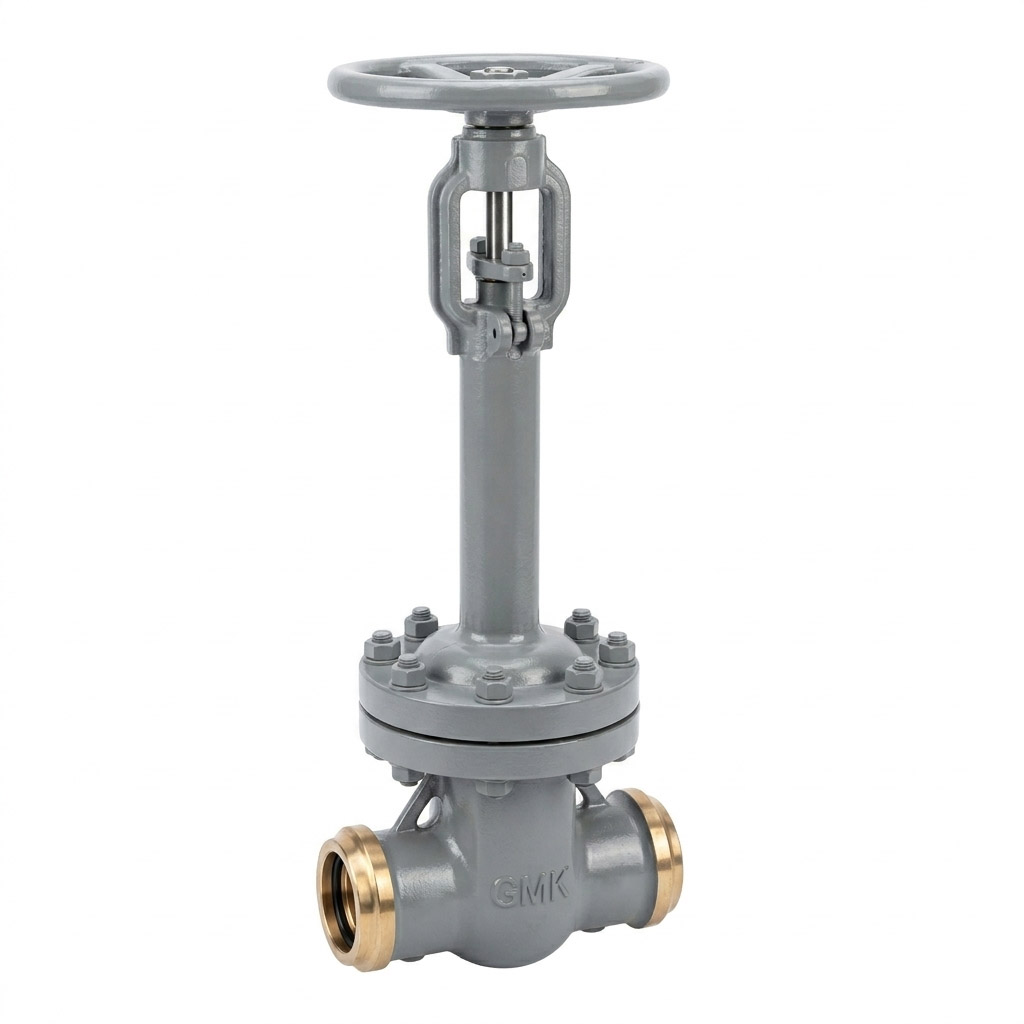

Breather Valve With Flame Arrester

GMK VALVE manufactures high-performance pressure control systems for volatile liquid storage tanks globally. Our advanced pilot operated breather valve with flame arrester maintains safe vapor balances while preventing dangerous atmospheric ignition. Furthermore, the specialized pilot mechanism seals tightly near set points to minimize product evaporation losses. As a result, facility operators protect tank structures, save valuable energy, and maintain optimal environmental compliance.

As a trusted industrial supplier, we engineer each breather valve with flame arrester to deliver maximum flow capacity without overpressure risks. In addition, the integrated steam heat transfer design prevents internal moving parts from freezing during severe winter operations. Consequently, storage tanks operate continuously in extreme ambient conditions ranging from -40 °C to +60 °C.

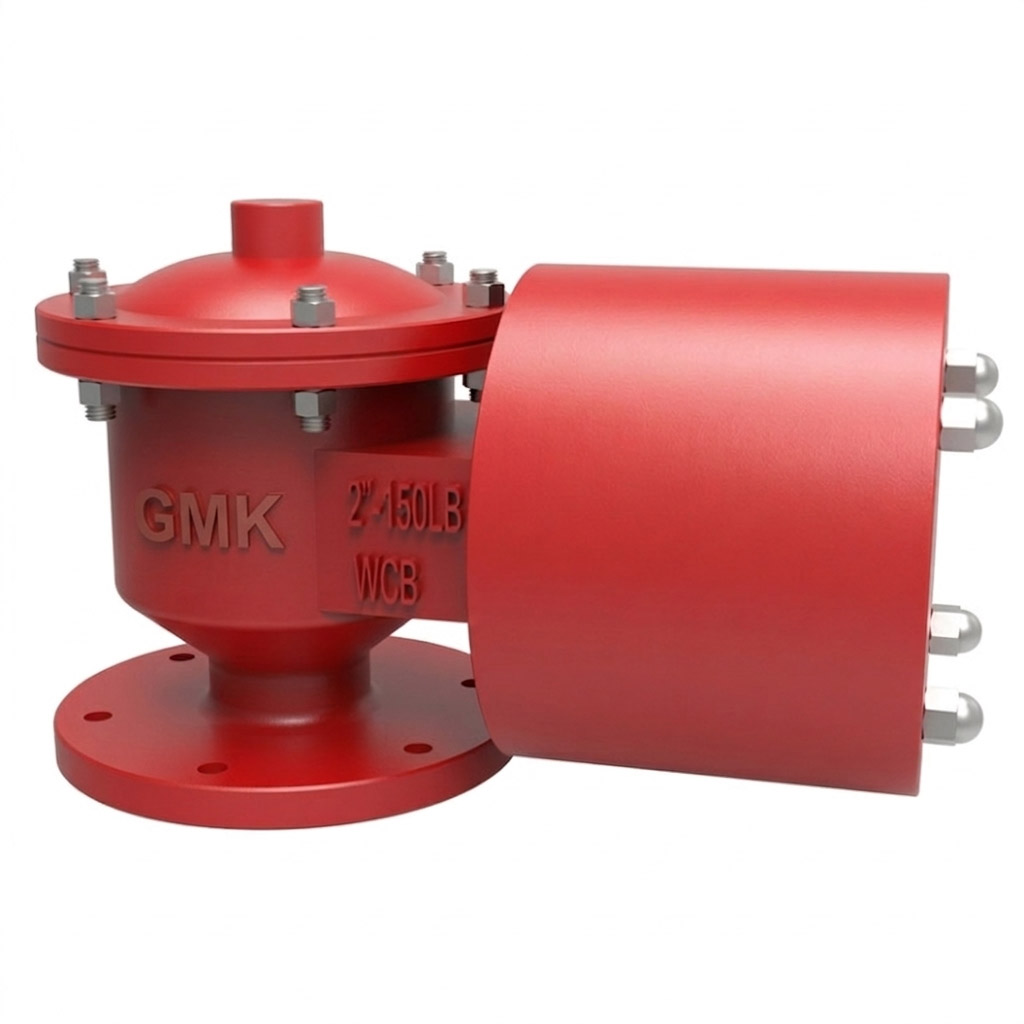
GMK VALVE breather valve with flame arrester for storage tank
left
right
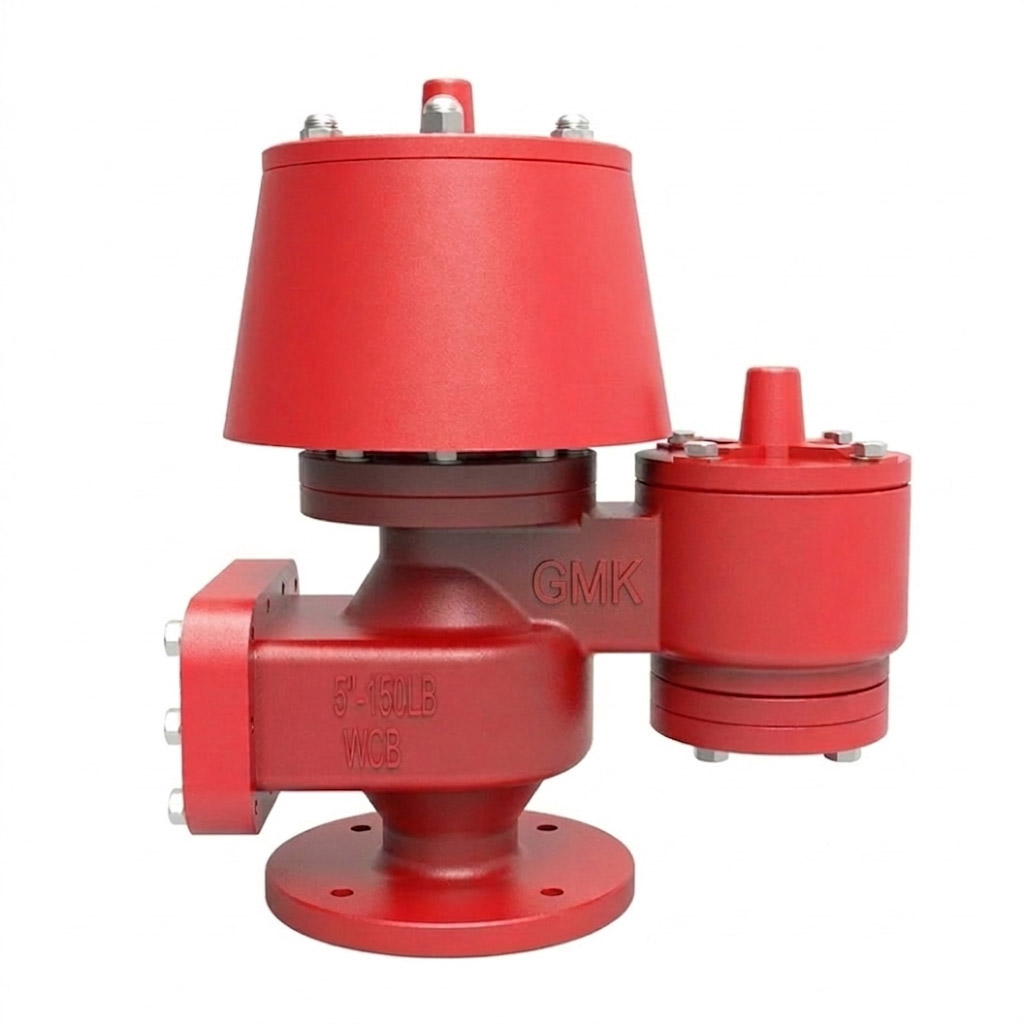
GMK VALVE breather valve with flame arrester for storage tank

CE Certification

ISO Standards

Warranty Included

Primary Features of the Breather Valve With Flame Arrester

Our protective valve series combines durable corrosion resistance with built-in electrostatic grounding to keep equipment and tanks at equal electrical potentials. For instance, the PTFE sealing disc delivers excellent chemical defense against aggressive aromatics, sulfur compounds, and petrochemical vapors. Furthermore, every unit complies strictly with SY/T0511.1 and GB5908 manufacturing standards.

Precision pilot controls reduce vapor leakage and preserve volatile storage media.

Integrated flame arresting elements stop external ignition flames from entering storage tanks.

Polytetrafluoroethylene seating components prevent ice formation and frost buildup in low temperatures.

Flanged connections conform to ASME B16.5, HG/T20592, and international piping standards.

Inspection and Field Maintenance Guidelines

Regular mechanical maintenance ensures that every safety device functions flawlessly over long service periods. First, technicians should inspect the removable flame element every three to six months to clear accumulated debris. In addition, operators must verify that positive and negative valve plates move freely without mechanical binding.

Furthermore, maintenance teams inspect the seating faces regularly and replace worn sealing components immediately. When reinstalling the valve onto pipeline flanges, operators must ensure tight surface contact and verify smooth disc movement. Therefore, improper protective caps or shipping covers must be removed completely before resuming normal tank operations.